Social Media Adverts, Google Ads & Organic Traffic

Every small business wants to grow, attract new customers and build a loyal audience. But, with limited resources, deciding how to spend your marketing budget can feel overwhelming.
Should you focus on organic efforts or invest in paid ads?
Which platforms will work best for your social media adverts?
Understanding the purpose of ads and when to use different strategies can make a huge difference in your success.
We're breaking down key advertising strategies, explaining the difference between organic and paid approaches, and exploring popular ad types on Google and Facebook. If you’re a small business owner or part of a team looking for clear guidance on digital marketing strategy, this is your roadmap to making smart advertising choices.
Popular Types of Paid Ads

Google Ads offer several formats to reach customers actively searching or browsing online. Here's an example:
Search Ads: Text ads that appear at the top of Google search results when users type relevant keywords. Great for capturing demand when people look for products or services you offer.
Display Ads: Visual banner ads shown on websites within Google’s network. Useful for brand awareness and retargeting visitors who didn’t convert.
Video Ads: Ads that play before or during YouTube videos. Effective for storytelling and for visually engaging audiences.
Example: A local bakery might use search ads targeting “fresh bread near me” to attract nearby customers ready to buy.
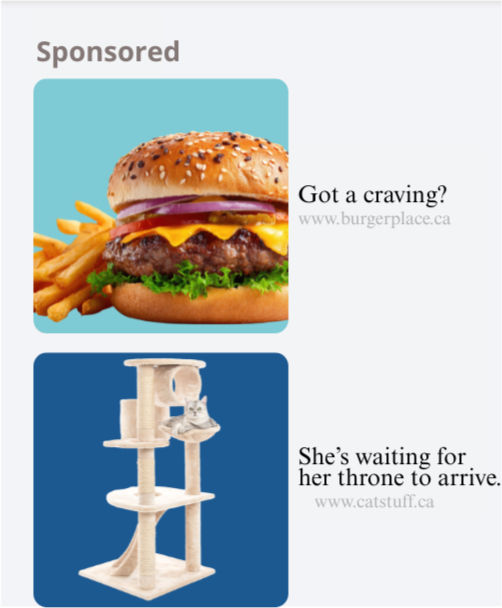
Facebook Ads (AKA Meta Ads) provide powerful targeting options based on demographics, interests and behaviours for a variety of social media adverts:
News Feed Ads: Appear in users’ main feed as native posts with images or videos. Good for engagement and conversions.
Stories Ads: Full-screen vertical ads that appear between stories. Capture attention with immersive visuals.
Messenger Ads: Appear in Facebook Messenger inboxes, allowing direct conversations with customers.
Example: A boutique fitness studio could run Facebook ads targeting women aged 25-40 in its area who are interested in wellness and exercise.
Understanding Organic vs Paid Online Advertising
What is Organic Advertising?
Organic advertising refers to the natural ways your business gains visibility without paying for placement on search engine results pages. This includes:
Posting on social media
Publishing blog content
Engaging with customers through comments and messages
Optimizing your website for search engines (SEO)
Organic efforts build relationships and trust over time. They are cost-effective and long-lasting, but usually take longer to show results.
What is Paid Advertising?
Paid advertising means that you pay money to ad platforms to show your ads to specific audiences. This includes:
Google Ads (search, display, video)
Facebook Ads (news feed, stories, Messenger)
Sponsored posts or influencer partnerships
Paid Google Ads or social media adverts deliver faster results and allow precise targeting, but they require a budget and ongoing management.
When to Use Organic vs. Paid
Use organic methods when you want to build a long-term audience, improve your website’s rank in search results, or engage with customers regularly without extra costs.
Use paid ads when you need quick visibility, want to promote a time-sensitive offer or need to target specific groups based on location, interests or behaviour.
Many successful small businesses combine both strategies to maximize reach and impact.
Social Media Adverts or Google Ads?
Your end goals can help you choose which digital marketing channels to use for your campaigns. Here's a step-by-step guide to getting it right.
1) Define Your Marketing Goal
Start by clarifying what you want to achieve:
Increased website visits?
Sales leads or sign-ups?
Sales boost for a specific product?
Brand awareness?
Your goal helps to determine which ad type and platform to choose.
2) Match Ad Type to Goal and Audience
Understand who your customers are, where they spend time online, and what messages resonate with them. Use customer data, surveys, or social media insights to build a clear profile.
For immediate sales, Google Search Ads & Meta Ads can target users who are ready to buy.
For brand awareness or retargeting, Google Display Ads or Facebook News Feed Ads work well.
For engagement and storytelling, Facebook Stories or YouTube video ads can create emotional connections.
3) Budget Your Resources
Paid ads require ongoing investment and monitoring. Start small, test different ads, and scale what works. Organic efforts need time and consistent content creation, but cost less.
Ad Campaign Tips for Small Businesses
Set a clear budget and stick to it. Even $5-$10 a day can make a difference when used wisely.
Test multiple ads with different images, headlines and calls to action to see what performs best.
Use tracking tools like Google Analytics and Facebook Pixel to measure results and adjust campaigns.
Focus on local targeting if your business serves a specific area. This reduces wasted spend and increases relevance.
Combine organic and paid strategies. Share your paid ads on your social channels and create content that supports your campaigns.
Why Advertising Matters for Small Businesses
Advertising is not just about selling products or services. It’s about connecting with the right people at the right time. For small businesses, ads can:

Increase brand awareness quickly
Drive targeted traffic to your website or store
Promote special offers or new products
Build trust and credibility in your community
Without advertising, even the best products can go unnoticed - but, advertising isn’t one-size-fits-all. Knowing when and how to use different marketing strategies helps you get the most value from your budget.
Get Advice on Your Advertising Before You Spend
Advertising is a powerful tool for small businesses when used thoughtfully. Organic efforts build a solid foundation and community, while paid ads deliver faster, targeted results. Understanding the differences and knowing when to use each strategy helps you spend your marketing budget wisely.
If you’re unsure where to start or want to improve your current advertising, working with an agency can provide expert guidance tailored to your business goals. The right strategy unlocks growth and connects you with customers who matter most.
Get started with Cinch Communications, your solution for social media management & online advertising for local and national audiences.
Let's get started!