What is Search Engine Marketing?

Updated: Jul 17
Search engine marketing, or SEM, is a type of advertising that targets users of Google and other search engines (Bing, DuckDuckGo, etc.) with "Sponsored Listings". At Cinch Communications, we perform high-reach, Google Search-based search engine marketing, ensuring your business appears directly in front of people searching for your products or services.

Types of Google Ads
There are multiple ways to use Google Ads to promote your business or brand, and we'll discover which suits your needs best during our Discovery meeting. Google Ad types include:
Search Ads:
Text-based ads that appear directly on the Google Search Engine Results Page (SERP) when users type specific keywords.
Display Ads:
Visual and banner ads that appear across the Google Display Network, which includes millions of websites, apps and Google-owned properties like Gmail.
Video Ads:
Rich-media and video formats that run primarily on YouTube, but can also appear across Google video partner sites.
Shopping Ads:
Highly visual product listings that show images, pricing and store names directly on Google Search and the Shopping tab.
App Ads:
Designed for mobile app developers to promote their apps and drive installations across Google Search, Play, YouTube and the Display Network.
Performance Max (PMax):
An AI-driven, all-in-one campaign type that automatically serves ads across all Google networks from a single campaign.
Demand Gen (formerly Discovery):
Visually engaging image and video ads that appear in curated, native feeds such as Google Discover, YouTube feeds and Gmail.
Local Services Ads:
Lead-generation ads designed specifically for service-based businesses (like plumbers or lawyers) to connect with customers in their local area.
Search Engine Marketing vs Search Engine Optimization
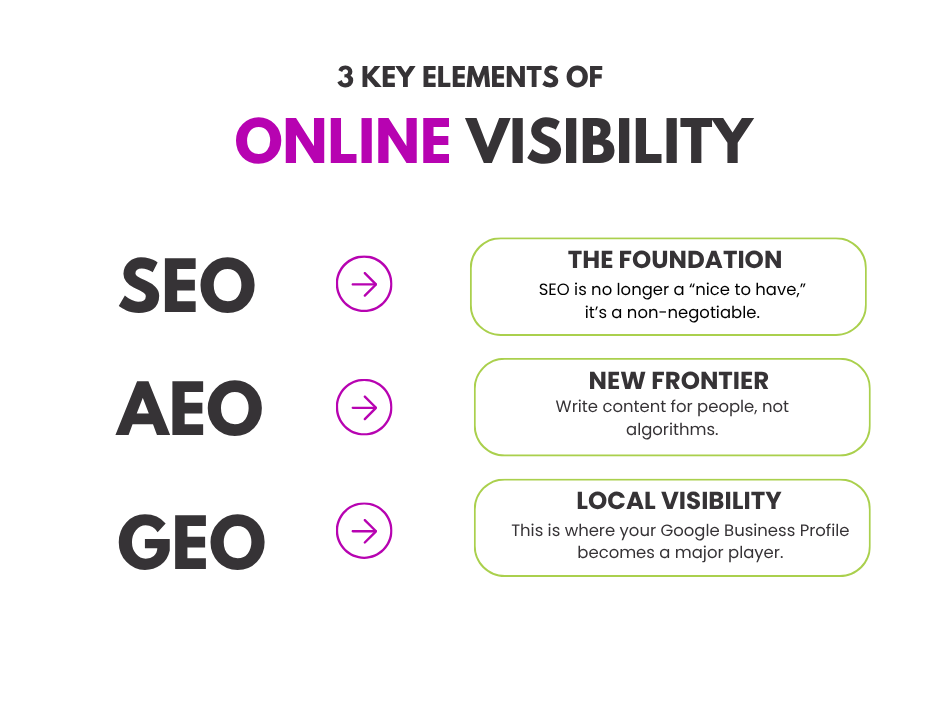
SEM and SEO (search engine optimization) are closely related in that they both involve advertising to people on Google Search or other search engines. Whereas SEM uses actual ad space on the SERP, SEO is a form of passive marketing that focuses on getting your website to appear on the first page of Google for related product/service/brand searches.
To ensure search engine optimization works, we conduct keyword research to discover what local clients are searching for online. Then, we use those specific words and phrases in your website's metadata and front-end content to attract search engine attention. The results are organic visits (not from ads).
The biggest difference between SEM and SEO is the timing of their results. Whereas Google Ads will start appearing in Google's SERP within a few hours of creation, the SEO process takes weeks to start working and several months to start working well.
What that means, exactly, is that if you want your company to show up on the first page of Google Results, we'll make changes to your website content that will eventually be reflected by various search engines. If you remember that search results are essentially a long, long list of relevant websites, it may help to imagine that during those weeks and months of waiting, your site is actually moving up the list and approaching the top.
When to Choose SEM or SEO
In fact, it's quite normal for a marketing budget to include both SEM and SEO simultaneously. Search engine marketing campaigns, such as a set of Google Ads, can quickly start to bring in sales leads; SEO, on the other hand, will work on your website's authority and rank over time so that people using Google start to see you showing up for more and more queries. Together, these tactics can steadily increase awareness of your business and bring in qualified leads.
If, however, your marketing budget only stretches to one advertising method to start, we always suggest using SEM or Meta Ads. This is simply because targeted advertising is a direct way to generate leads, whereas organic traffic comes from people at various stages of the sales process (research, consideration, preference and trial, for example).
Advertise Your Business with Cinch Communications
Do you need help with your overall marketing strategy and evaluating your options? Let us help.